
2026 is being hailed as “the year of the robot” by many experts. After years of prototypes and demos, humanoid robots are finally transitioning to practical deployments in factories, warehouses, and even homes. Powered by advances in AI, better actuators, and falling costs, companies like Tesla, Figure, 1X, and Agility Robotics are scaling production. Here’s a closer look at this transformative trend.

From Labs to Real-World Tasks
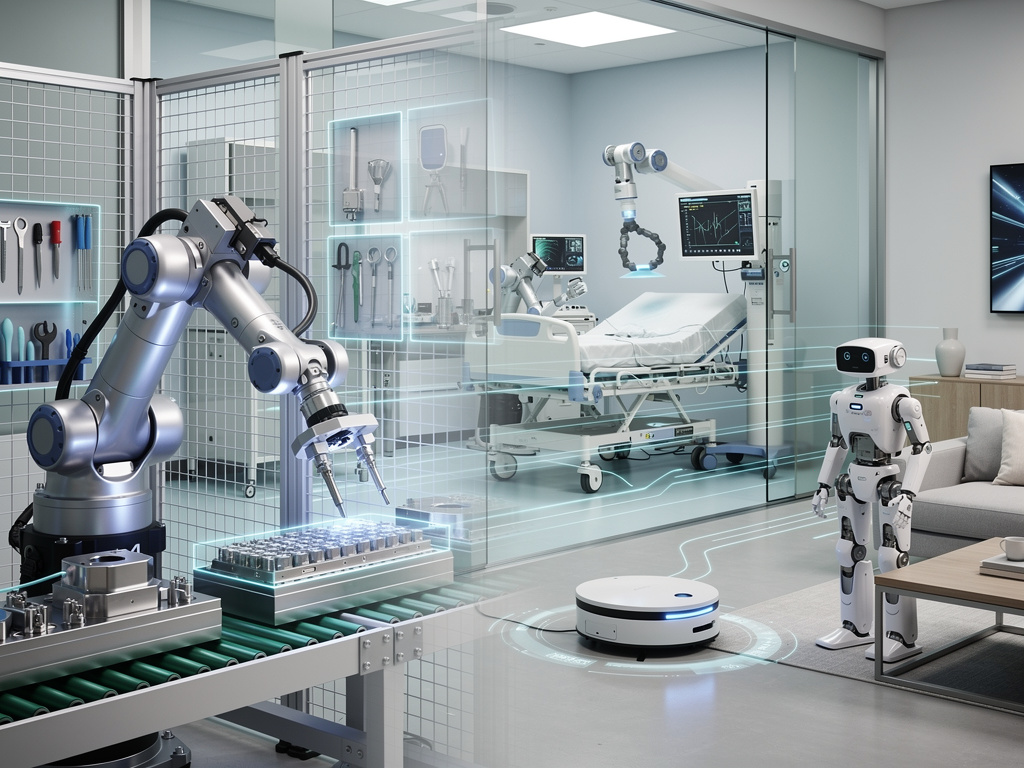
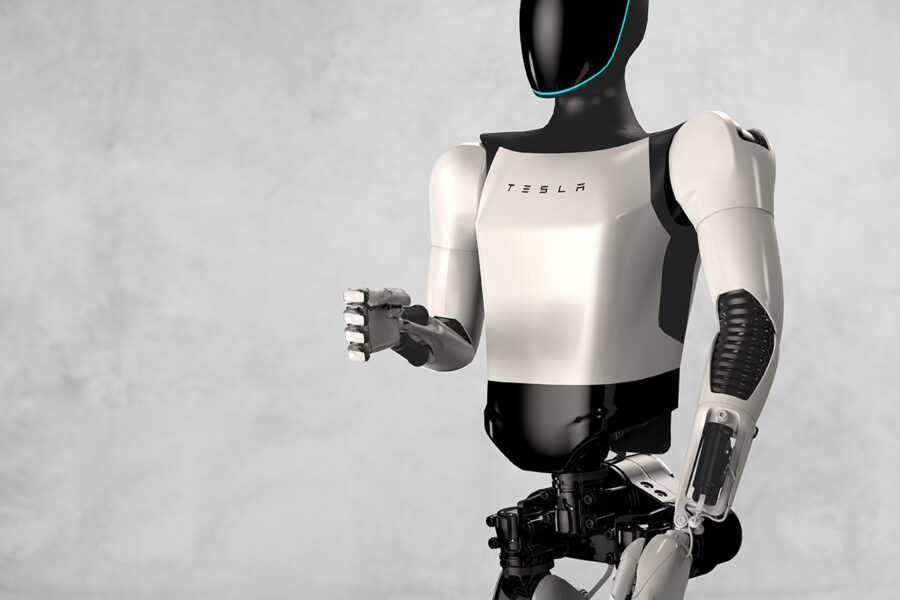
Humanoids like Tesla’s Optimus, Figure’s models, and 1X’s NEO are designed to handle unstructured environments—tasks that require walking, grasping varied objects, and adapting on the fly. Early 2026 will see pilots in manufacturing (e.g., automotive assembly) and logistics, where robots assist with picking, packing, and inspection.
Companies are targeting thousands of units: Tesla aims for high-volume production, while Chinese firms like Agibot and BYD plan rapid scaling. Costs are dropping below $20,000 for some models, making them competitive with human labor in repetitive roles.

Home Robots on the Horizon
The big surprise? Consumer models. 1X’s NEO is available for pre-order at around $20,000, with deliveries starting in 2026. It promises to handle chores like loading dishwashers, folding laundry, and basic assistance—initially with some teleoperation support, but improving via AI learning.
LG and others are teasing home-focused humanoids for CES 2026. While not fully autonomous yet, these robots will integrate voice commands, vision, and learning from demos.
Challenges and Opportunities
Safety, battery life, and dexterous hands remain hurdles, but progress in end-to-end AI training (from video data) is accelerating generalization. Ethical questions around job displacement and regulation are rising, with frameworks emerging in the EU and US.
Overall, 2026 marks the shift from hype to deployment. Humanoids won’t replace humans overnight, but they’ll augment workflows, tackle labor shortages, and enter homes as helpers.
What do you think—excited or skeptical about robots in your daily life? Drop a comment!
Quantum Computing Breakthroughs: Closer to Practical Utility in 2026
January 17, 2026
Quantum computing is advancing steadily toward real-world applications. 2026 will feature more scalable systems, error-corrected prototypes, and hybrid classical-quantum workflows in drug discovery, optimization, and finance.

Scaling Qubits and Error Correction
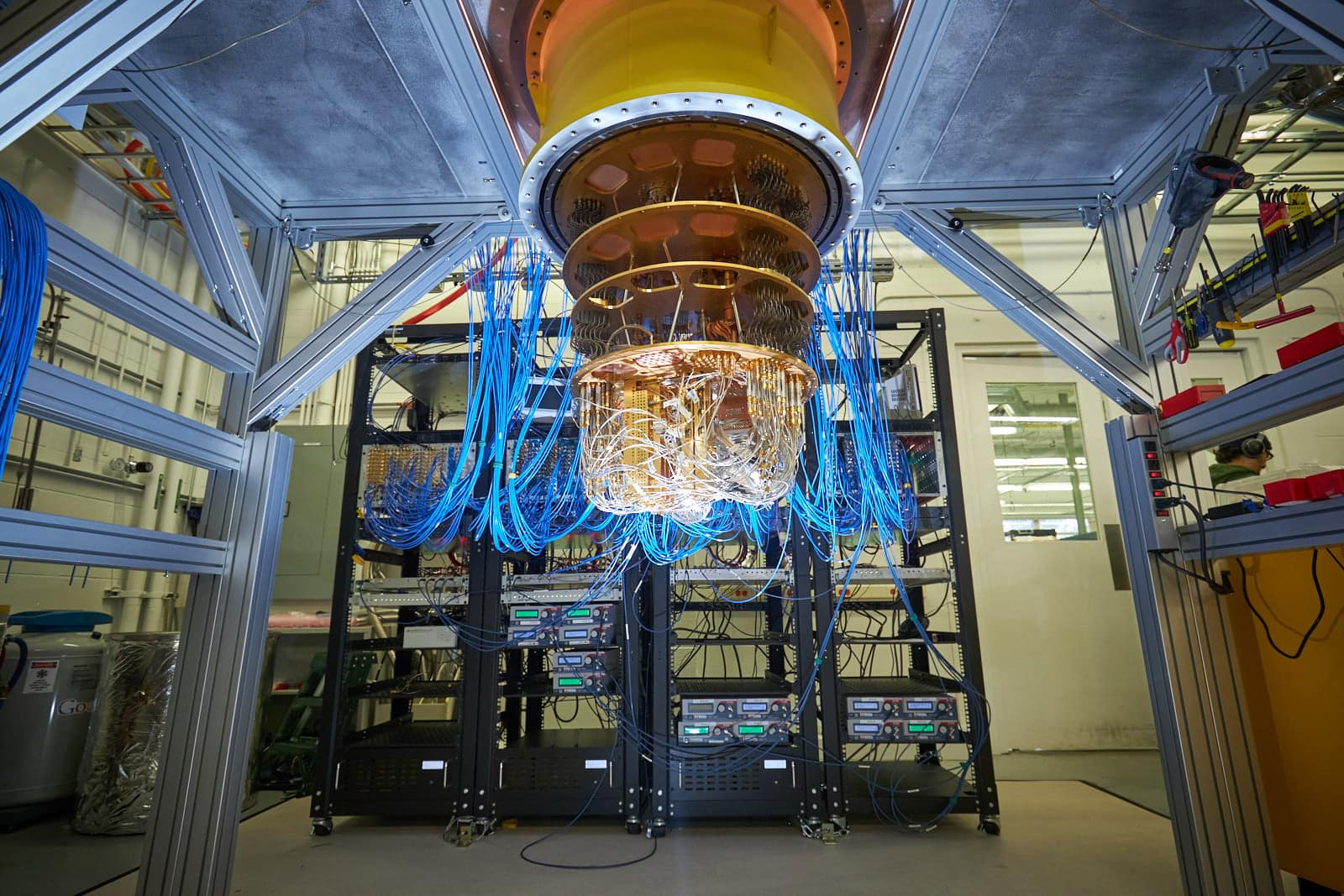
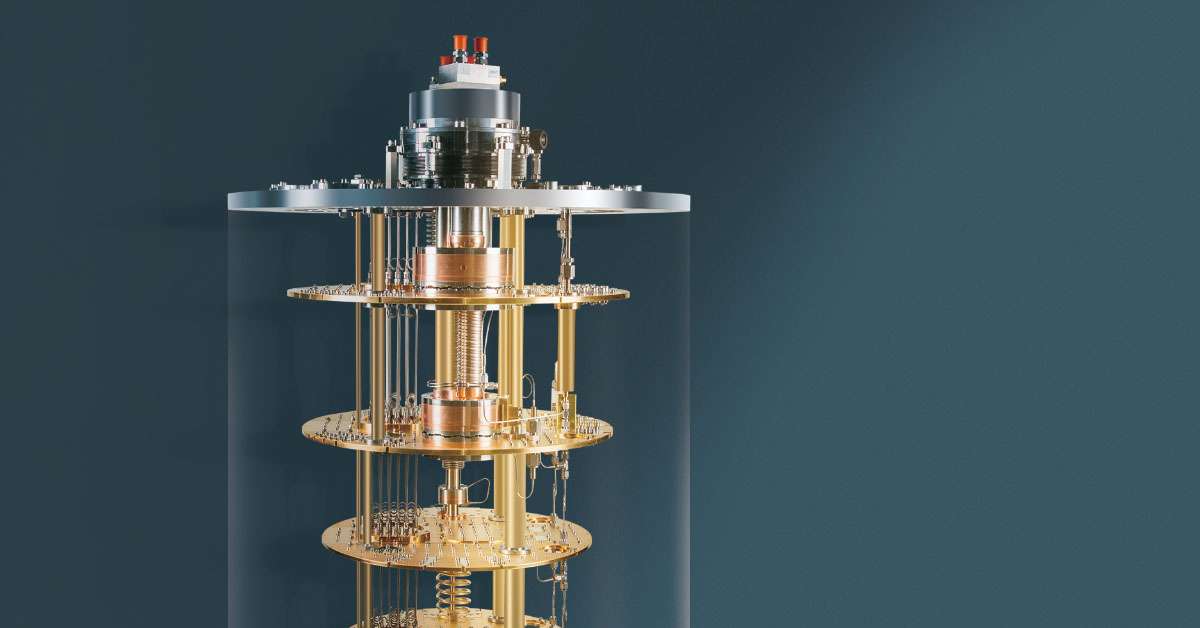
IBM’s roadmap targets quantum advantage by late 2026, with processors like Nighthawk supporting thousands of gates. Neutral-atom platforms from QuEra and others promise better error resilience, with systems ready for correction demos.
Companies like Atom Computing and Pasqal aim for 10,000+ qubits, focusing on logical qubits for fault tolerance.
Emerging Applications
Hybrid setups will shine: Quantum for hard simulations (materials, chemistry) paired with classical AI. Post-quantum cryptography migrations accelerate as threats loom.
Pilots in pharma (faster molecule modeling) and logistics (optimization) will yield measurable gains.
The Road Ahead
While full fault-tolerance is still years away, 2026 brings verifiable advantage in niche areas. Investments surge, with startups like PsiQuantum eyeing public offerings.
Quantum isn’t replacing classical computers soon, but it’s augmenting them powerfully. Stay tuned!
Spatial Computing Revolution: Smart Glasses and AR in 2026
January 24, 2026
Spatial computing—blending digital overlays with the real world—is poised for mainstream traction in 2026. Expect major launches in smart glasses, folding devices, and immersive experiences that change work, entertainment, and daily life.


Smart Glasses Turn Practical
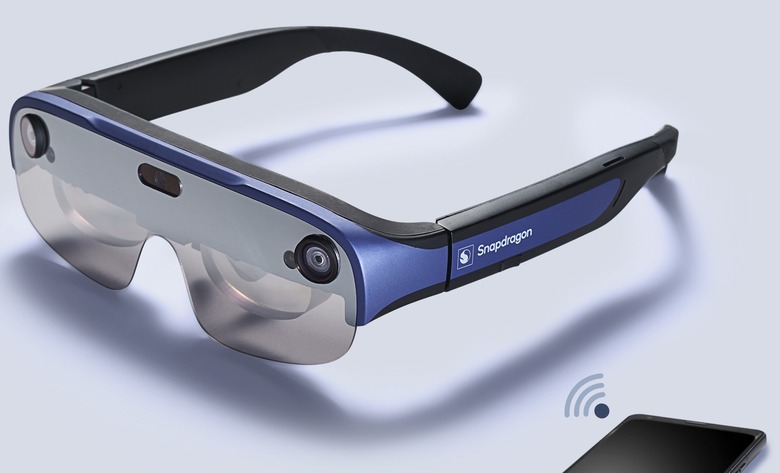
Apple’s long-rumored AR glasses could debut by year-end, with lighter designs, better batteries, and AI integration. Competitors like Meta and Qualcomm push wireless, all-day wearable AR.
Uses: Navigation overlays, real-time translation, hands-free computing, and enhanced collaboration.
Folding Phones and New Form Factors
Apple may enter the foldable market, boosting adoption. Combined with spatial apps, these devices enable portable mixed reality.
Broader Impact
From training simulations to social AR, spatial tech augments reality without isolating users. Privacy and battery challenges persist, but 2026 feels like the tipping point.