The programming world in 2026 is evolving rapidly, driven by AI integration, demands for safer and more efficient code, and the rise of accessible development tools. Developers are shifting from manual coding to augmented workflows, with AI handling repetitive tasks while humans focus on architecture and innovation. Drawing from reports like TIOBE Index, Stack Overflow surveys, GitHub Octoverse, and analyst predictions from Gartner and others, here are the key trends defining programming this year.


1. AI-Driven Development Becomes Standard
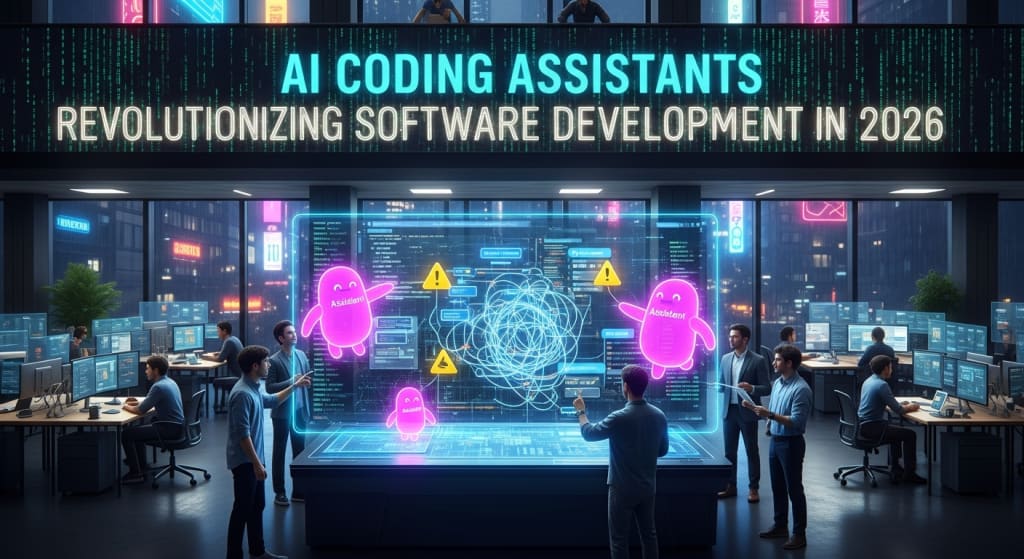
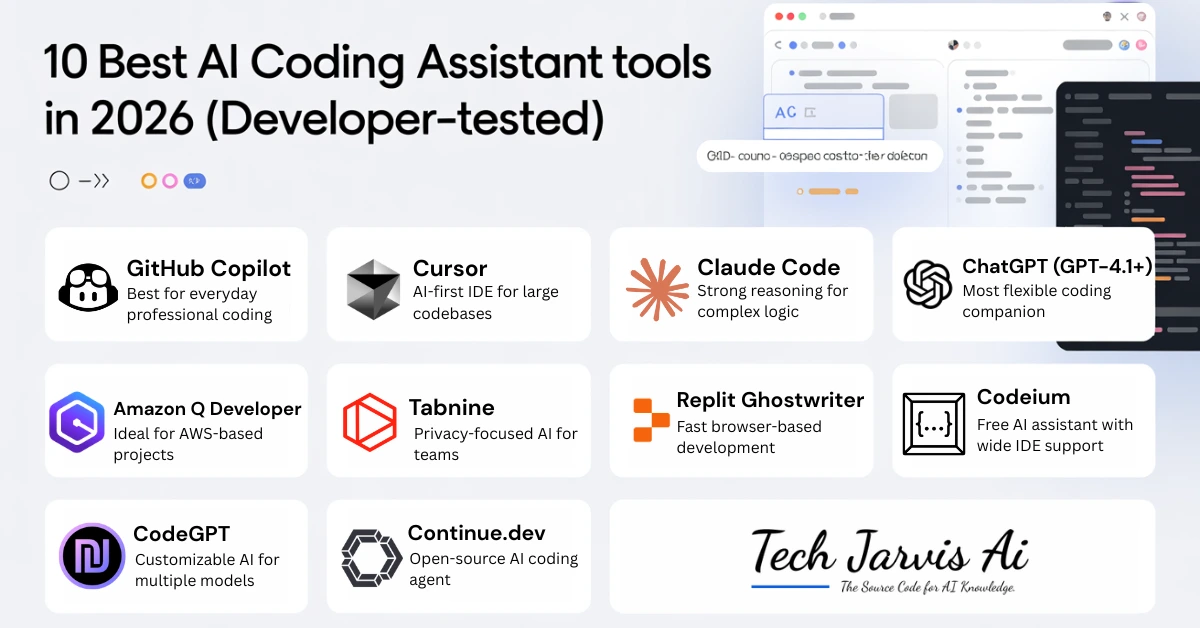
AI coding assistants like GitHub Copilot, Cursor, and advanced LLMs are no longer novelties—they’re core tools. Over 80% of developers now use AI daily for code generation, debugging, testing, and documentation. This boosts productivity by 30-50%, allowing faster iteration and higher-quality code.
In 2026, expect agentic AI: autonomous agents that handle multi-step tasks, from planning features to deploying updates. Tools evolve toward full workflow automation, with better context awareness and reduced hallucinations.
2. Rust’s Meteoric Rise in Systems and Safety-Critical Code
Rust continues its dominance as the most admired language (over 70% admiration in surveys), prized for memory safety without garbage collection. It’s expanding into embedded systems, WebAssembly, cloud infrastructure, and even kernel development.
Companies like Microsoft, Amazon, and Google increasingly adopt Rust for performance-critical components. Multilingual projects often pair Rust with Python or Go for the best of both worlds.


3. Python and JavaScript/TypeScript Remain Dominant
Python holds the top spot (around 25-26% in TIOBE), fueled by AI/ML ecosystems. JavaScript (with TypeScript overtaking plain JS in professional use) rules web development, powering full-stack apps via Node.js and frameworks like React/Next.js.
Go surges for cloud-native services, while emerging players like Julia gain in scientific computing.

4. Low-Code/No-Code Platforms Democratize Development
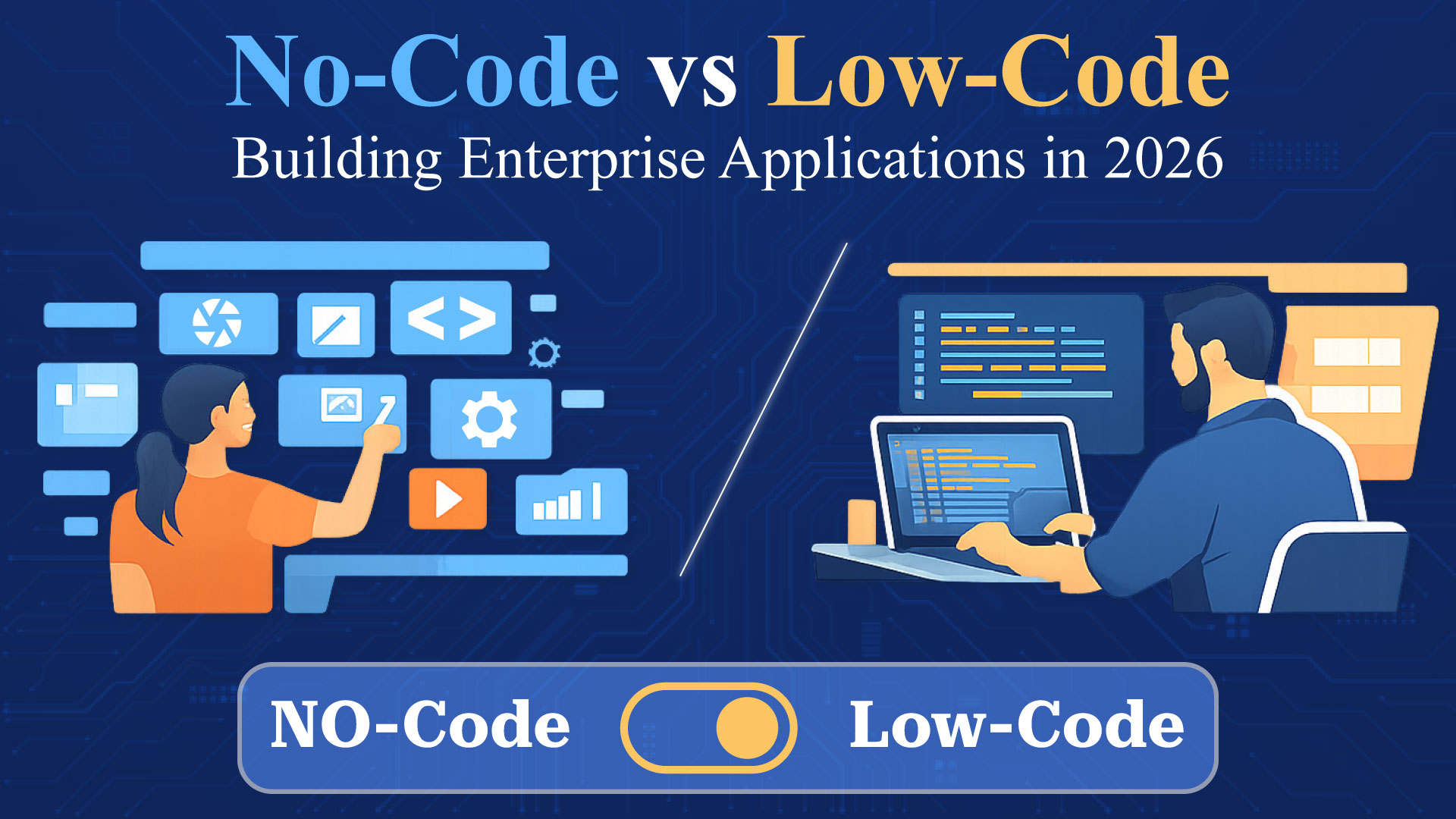
By 2026, low-code/no-code tools power 70-75% of new applications, enabling “citizen developers” to build without deep coding knowledge. Platforms like OutSystems, Mendix, and Bubble accelerate prototyping and reduce backlogs.
This trend complements traditional coding, freeing pros for complex logic while empowering business users.

5. Quantum and Edge Computing Influence New Paradigms
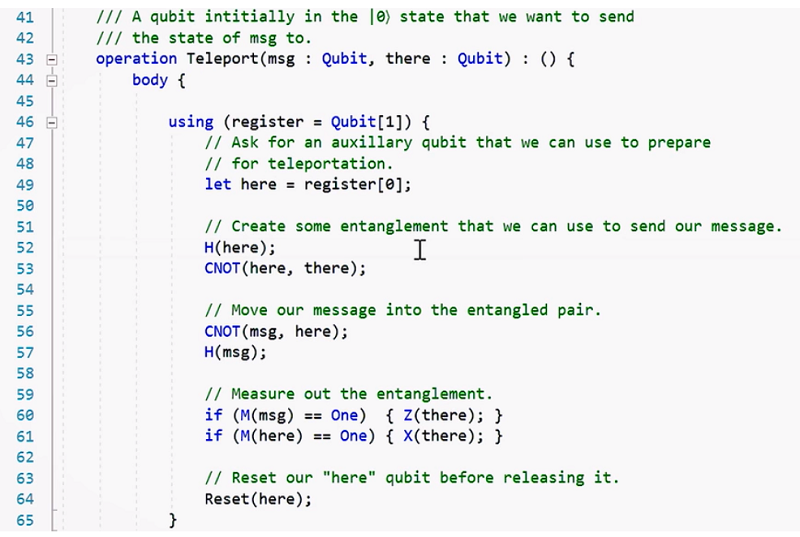
Quantum programming with Qiskit or Cirq sees more practical pilots in optimization and cryptography. Edge computing pushes lightweight, efficient languages like Rust or WebAssembly.
Functional programming concepts spread wider, improving scalability in concurrent systems.
6. Focus on Security, Sustainability, and DevSecOps
With rising threats, DevSecOps embeds security from day one. Green coding—optimizing for energy efficiency—gains traction amid AI’s power demands.
Trends like platform engineering and observability ensure resilient, maintainable systems.
Looking Ahead
2026 programming isn’t about replacement—AI augments developers, new languages solve old problems, and accessible tools broaden participation. Success favors those who embrace hybrid skills: deep expertise in one area, breadth across trends.
Which trend are you betting on? Mastering Rust, diving into AI agents, or building with low-code? Share your thoughts below!