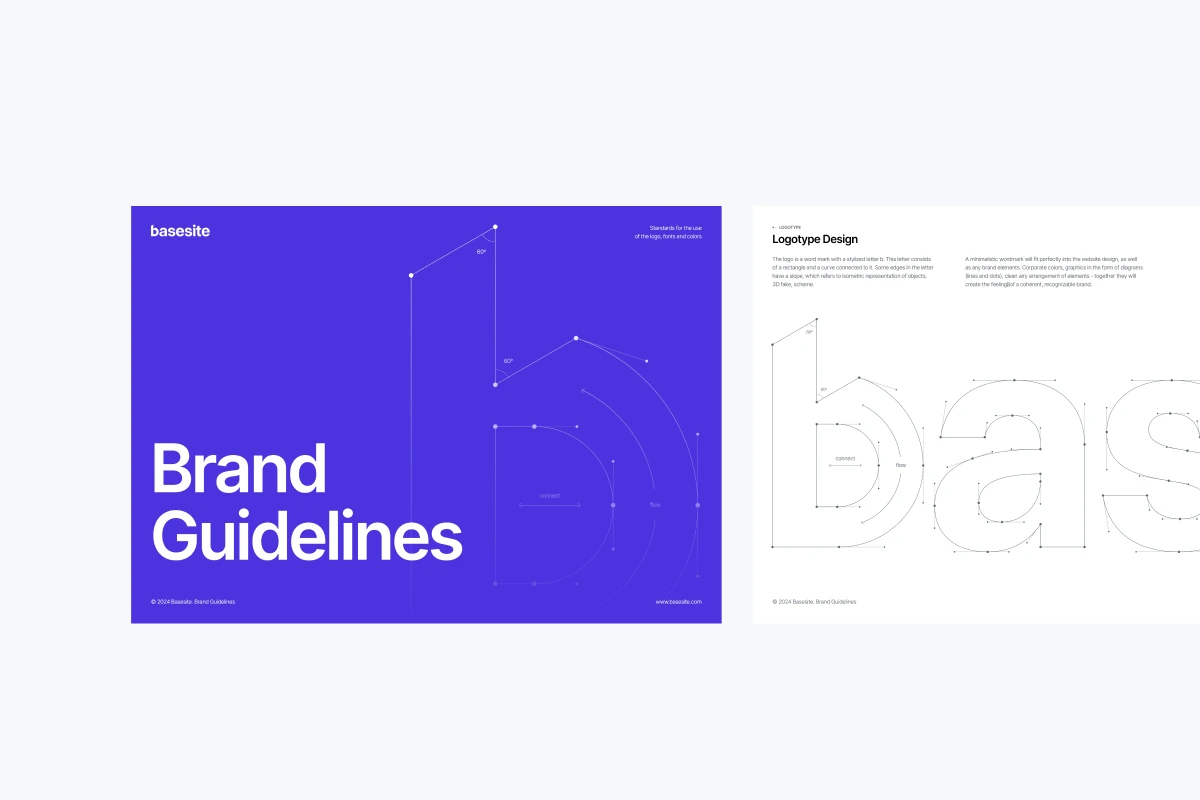
As we dive deeper into 2026, corporate branding is undergoing a profound transformation. Gone are the days of sterile minimalism and generic perfection—brands are embracing imperfection, expressiveness, and humanity to stand out in an AI-saturated landscape. Insights from Lippincott, Adobe, and industry reports highlight a shift toward tactile, emotional, and adaptive identities that prioritize trust, sustainability, and multisensory experiences.

1. Tactile Textures and Human Imperfection
After years of polished, frictionless designs, brands are rebelling with grain, noise, hand-drawn elements, and visible “human errors.” This tactility signals authenticity—proof that real people crafted the brand in a world of AI-generated smoothness.
Expect more earthy textures (sand, stone, bark), ripped paper effects, and imperfect photos to evoke warmth and credibility.

2. Expressive Typography and Maximalism
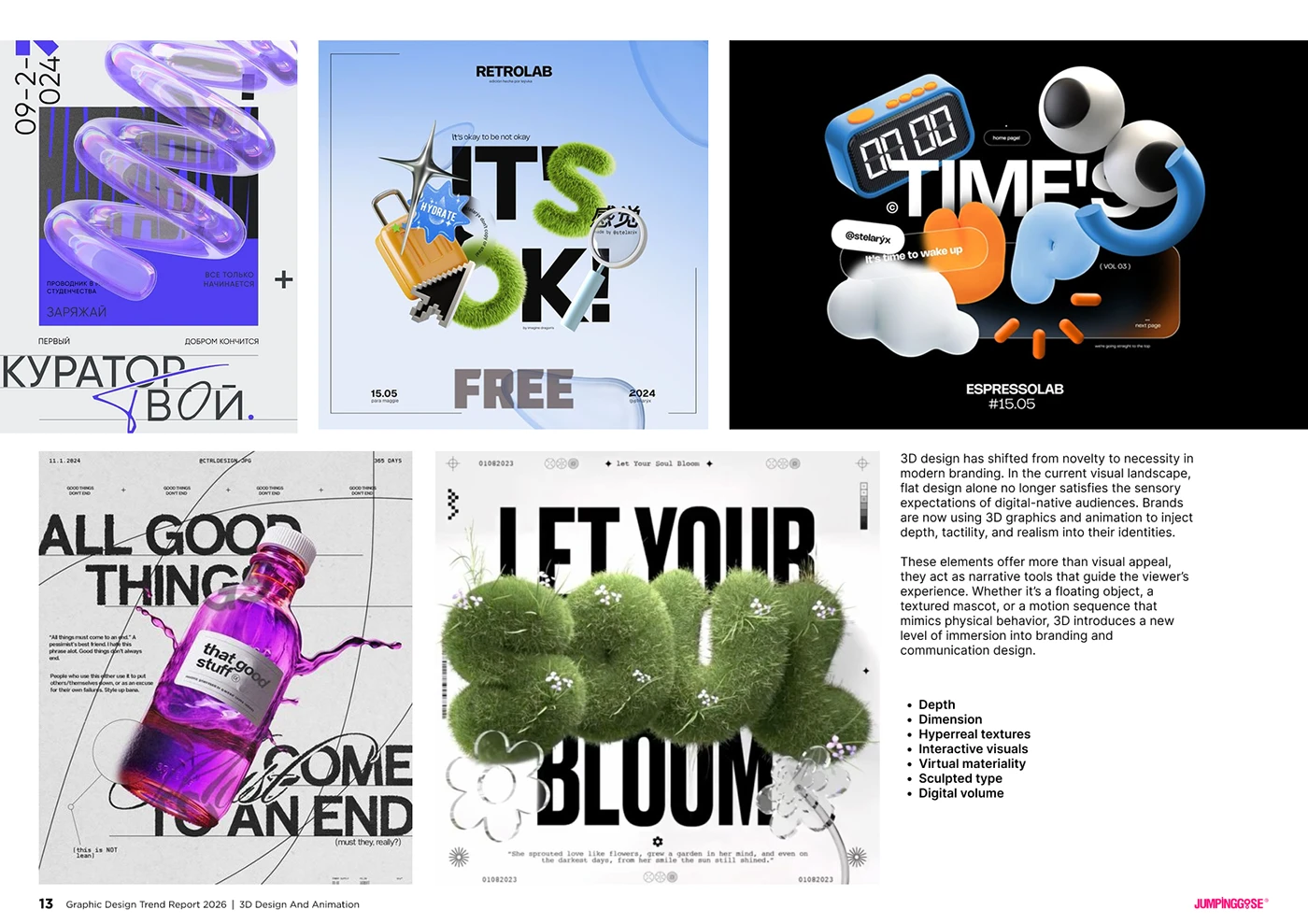
Typography is getting bold: oversized sans-serifs, bubbly puffy letters, wavy distortions, and handwritten scripts dominate. Brands are mixing chaos with control—layered collages, vibrant saturations, and nostalgic elements blended with futuristic twists.
This “more-is-more” approach reflects a departure from quiet luxury toward joyful, personality-driven visuals.
3. Adaptive and Motion-First Identities
Static logos are evolving into dynamic systems. Adaptive branding adjusts visuals based on context or user behavior, while motion design becomes essential—animating logos, transitions, and interactions for better recognition and emotion.
Multi-sensory elements like brand sounds and haptic feedback are rising, making brands feel alive across digital and physical touchpoints.
4. Purpose-Driven and Sustainable Storytelling
Consumers demand accountability. Brands integrating genuine sustainability, ethical practices, and emotional narratives win loyalty. Planet-positive actions—from eco-materials to transparent supply chains—are woven into core identities.
Purpose isn’t add-on; it’s the foundation, with micro-narratives and authentic employee stories building deeper connections.


5. Humanized AI Integration
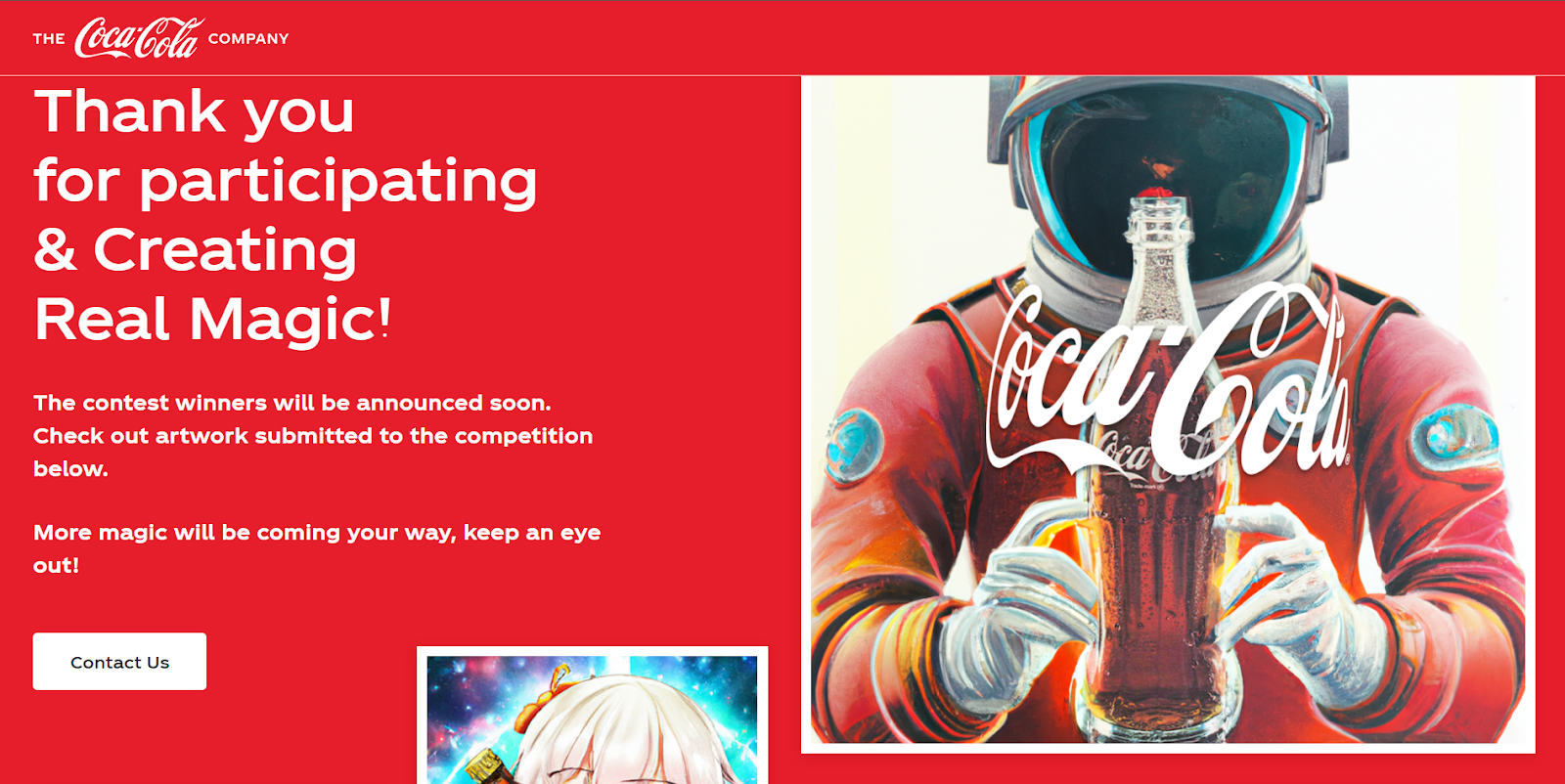
AI is a tool, not the creator. Brands use it for efficiency (concept generation, personalization) but emphasize human oversight for nuance and soul.
Domain-specific AI enables hyper-personalized experiences, while visuals counter “blandification” with rich, practical effects over CGI.

The Road Ahead
2026 branding rewards intentionality: blending innovation with humanity, rebellion with strategy. Winners will create resonant, flexible identities that feel crafted on purpose—fostering trust in an era of skepticism.
How is your brand adapting? Excited for tactile rebellion or sticking to adaptive systems? Share your take below!