
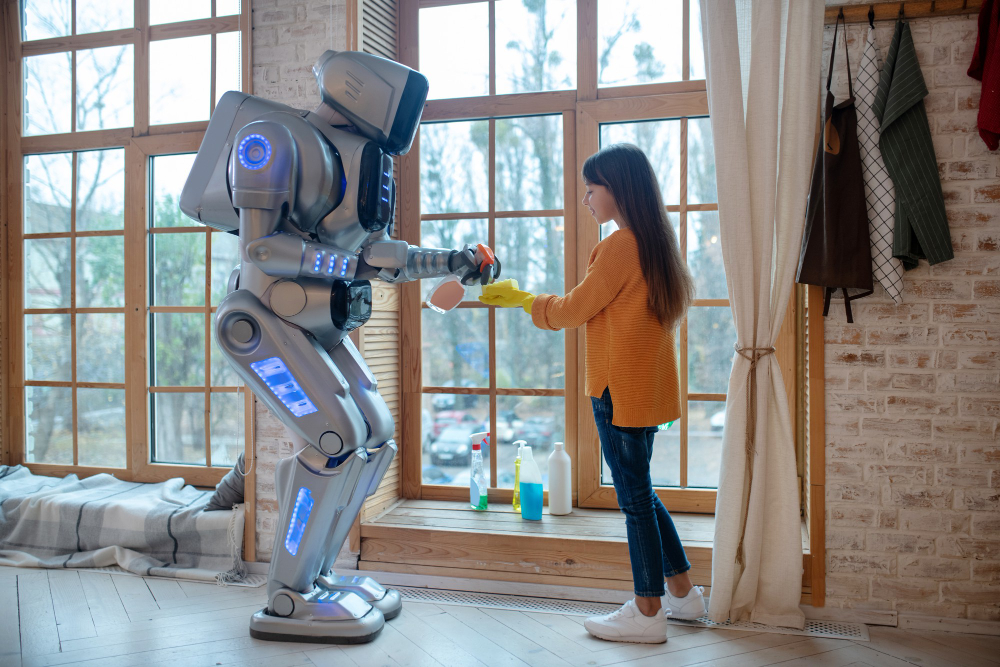
After years of generative AI dominating headlines with chatbots and image creators, 2026 marks the breakthrough of agentic AI—autonomous systems that don’t just respond to queries but plan, reason, and execute complex multi-step tasks independently. Experts from Gartner, Deloitte, IBM, and others predict agentic AI will shift from pilots to production, transforming workflows across enterprises and everyday life.


What Makes AI “Agentic”?
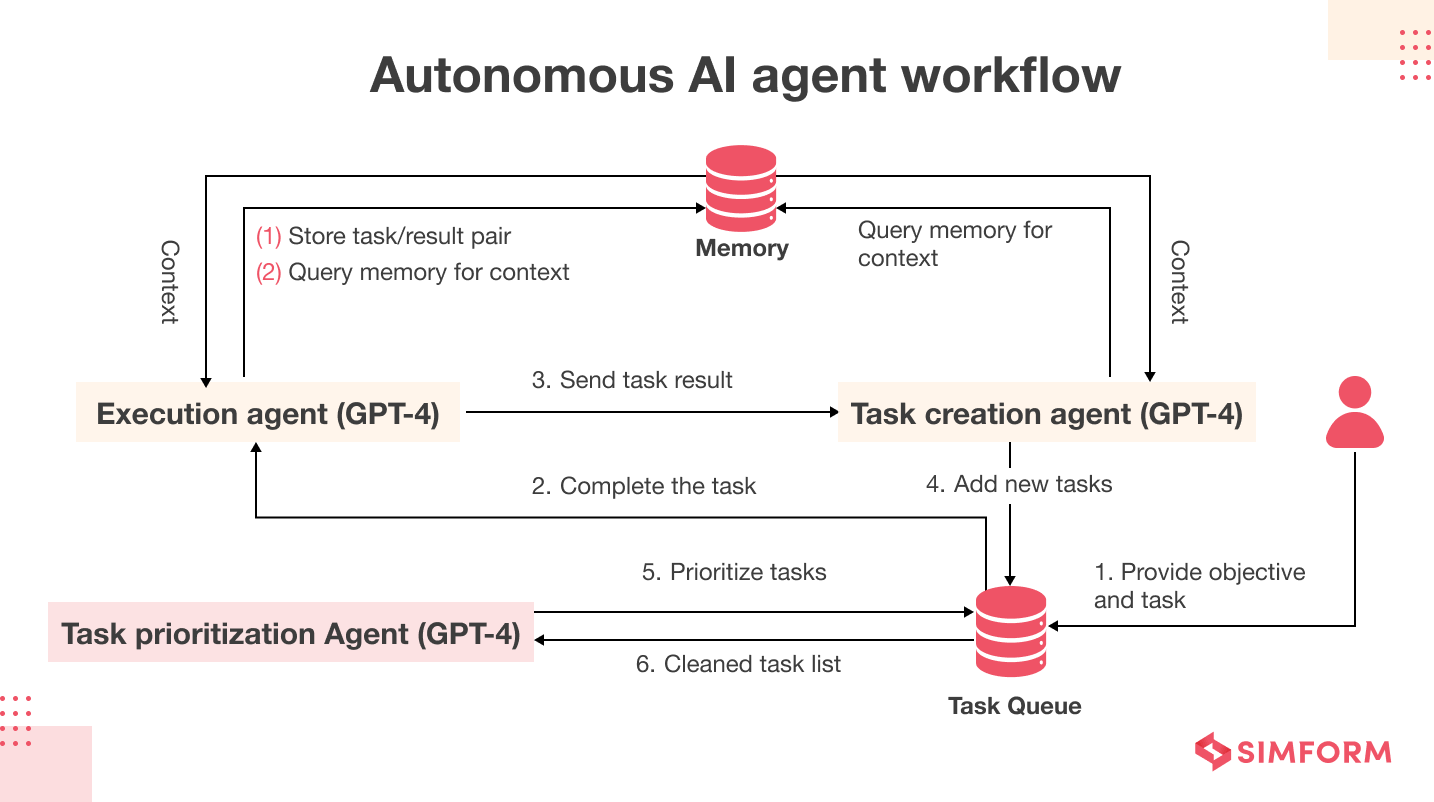
Unlike traditional AI tools that require constant human guidance, agentic AI acts like a digital colleague: it breaks down goals, uses tools (e.g., browsers, APIs, databases), collaborates with other agents, and adapts to feedback. Key enablers include advanced reasoning models, better memory, and protocols like MCP (Model Context Protocol) for seamless tool integration.
Gartner forecasts that by 2028, 15% of day-to-day work decisions will be autonomous—starting with significant deployments in 2026. Deloitte highlights successes in reimagined operations where agents manage end-to-end processes, from customer service to supply chain optimization.
Real-World Deployments Accelerating
In 2026, agentic workflows move from demos to daily practice:
- Enterprise Automation — Companies like UiPath and Writer integrate agents into RPA (robotic process automation), handling complex tasks in sales, HR, and finance.
- Multi-Agent Systems — Agents collaborate: one researches, another analyzes, a third executes—boosting productivity in knowledge work.
- Edge and Personal Agents — Smaller models enable on-device agents for privacy-focused tasks, like personal assistants managing schedules or smart home orchestration.
Google Cloud’s 2026 report emphasizes agents enhancing customer experiences and security, while IBM predicts open-source agents will push enterprise boundaries.

Challenges and the Path to Trust
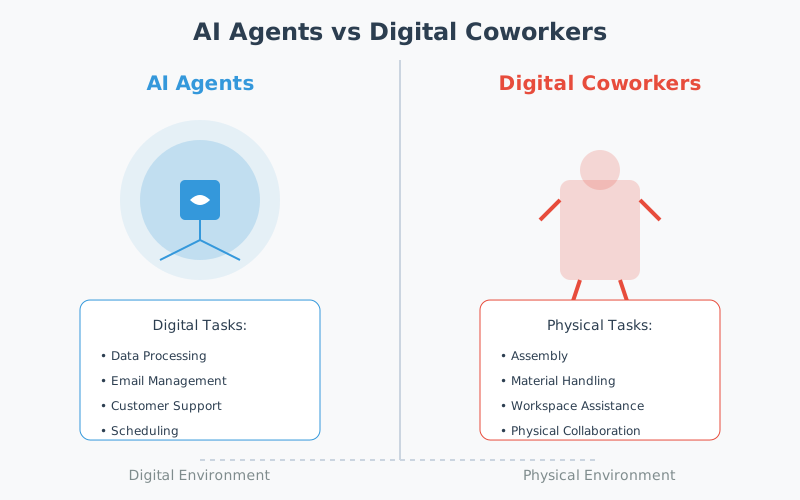
Hallucinations, reliability, and governance remain hurdles. Leading implementations treat agents as “workers” with oversight, verification loops, and human-AI collaboration. Regulations and ethical frameworks will evolve, emphasizing transparency and bias mitigation.
As one expert notes, 2026 is the year AI shifts from “helping humans” to “working alongside them”—freeing people for strategic, creative roles.
The Bigger Picture
Agentic AI isn’t about replacement; it’s augmentation. IBM research shows employees embracing it for less mundane work, with 61% viewing AI as making jobs more strategic.
Combined with trends like neuromorphic hardware for efficiency and hybrid post-quantum security, agentic systems promise resilient, scalable intelligence.
2026 is the tipping point: from hype to impact. Are you ready for AI agents as teammates? What task would you delegate first? Share your thoughts below!